Surge capacity
Multiple ICU-capable aircraft and clinical crews activated in parallel, not sequentially.
Multi-Patient & Mass Casualty
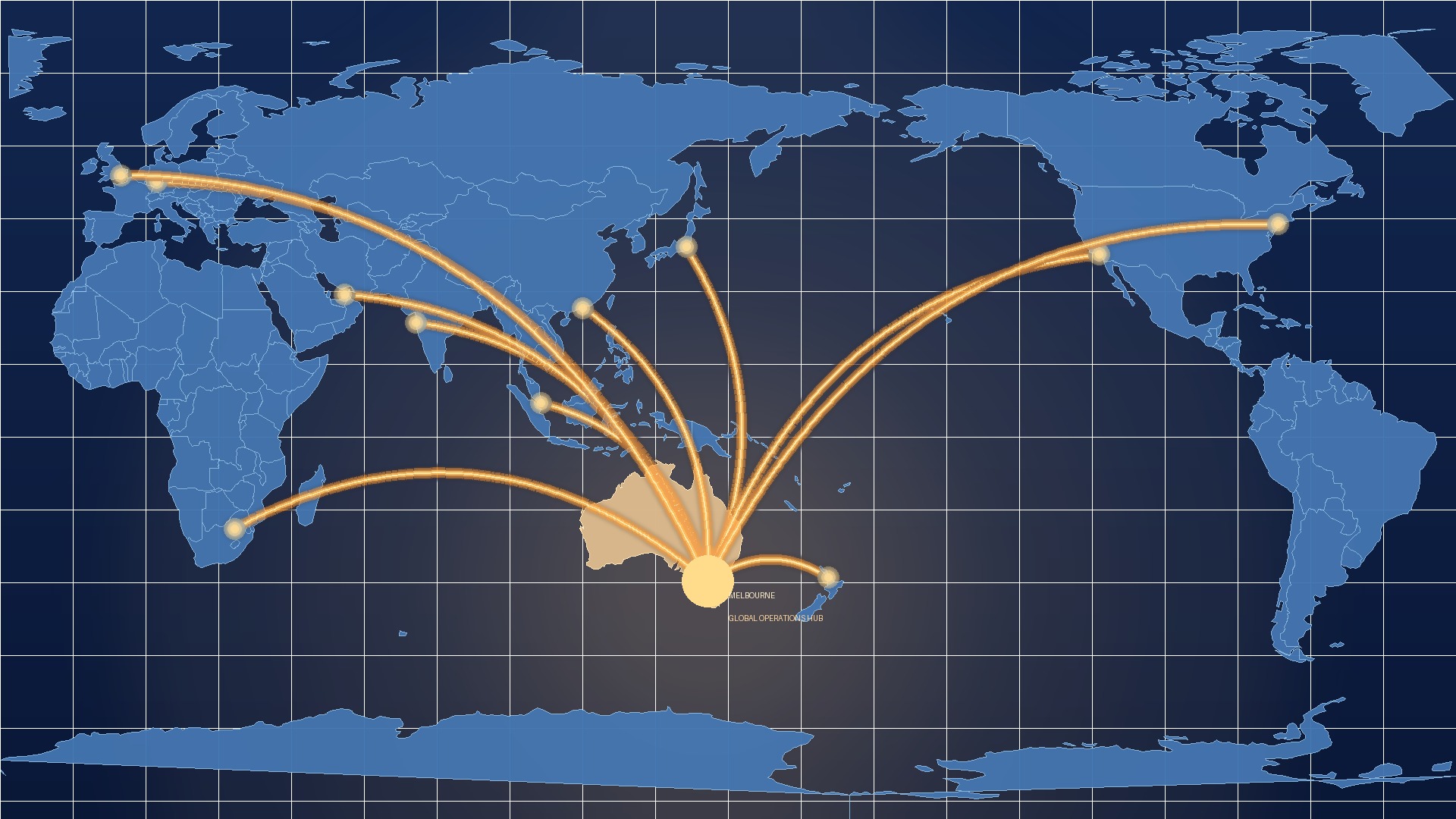
Coordinated repatriation of multiple patients from conflict zones, natural disasters and humanitarian crises.
When large-scale events displace or injure many people at once, standard evacuation channels can be overwhelmed. Our multi-patient and mass casualty repatriation service is built for exactly those moments — moving multiple patients simultaneously from war zones, natural disasters, terror incidents, industrial accidents or regional humanitarian crises to definitive care, home countries or designated receiving hospitals worldwide.
We combine fixed-wing air ambulance capacity, commercial medical escorts, ground ambulance logistics and a scalable clinical team into one coordinated plan. Every patient is triaged, every aircraft is medically configured, and every handover is documented — so even in chaos, care stays controlled.
Capabilities
Multiple ICU-capable aircraft and clinical crews activated in parallel, not sequentially.
Mix of dedicated air ambulances, chartered medical-configured jets and commercial escorts.
Clinical team on the ground to assess, stabilise and stage patients for onward moves.
Established channels for conflict-zone permits, overflight and landing approvals.
Seamless bed-to-bed moves linking local hospitals, aircraft, ground ambulances and receiving facilities.
A single operations controller runs the entire response, with real-time updates to stakeholders.
End to end
Equipment
Each aircraft in a multi-patient response carries duplicate or triplicate critical-care equipment, so no patient is left without ICU-level support during a surge. Standard kit includes:
High-performance transport ventilator for invasive and non-invasive ventilation during flight.
Full vital-signs monitoring with 3x invasive blood pressure, ECG, SpO₂ and capnography.
Precision infusion pumps for continuous medication and fluid delivery at altitude.
Controlled-rate syringe pumps for critical medications and sedation.
Portable suction for airway clearance and emergency respiratory management.
A comprehensive ICU pharmacy carried on every mission, including sedation, analgesia, vasopressors, anti-arrhythmics and emergency drugs.
Incident response
Armed conflict and war-zone evacuations · earthquakes, tsunamis and typhoons · terror incidents and civil unrest · industrial and mining accidents · cruise-ship or remote-site medical clusters · embassy and consular crises · NGO compound evacuations.
FAQ
It is the coordinated movement of two or more patients from the same incident or region — such as a war zone, earthquake, terror attack or major accident — using multiple aircraft, medical teams and ground transport, all managed as one mission.
Initial response planning can begin within hours. Aircraft activation, crew rostering and diplomatic clearances run in parallel, with the first patient moves often possible within 24–48 hours depending on location and security conditions.
Yes. We work through vetted aviation partners, security advisers and diplomatic channels to access challenging locations while protecting patients and crew.
Absolutely. We regularly support foreign ministries, assistance companies, NGOs, corporates and insurers managing large-scale evacuations and consular crises.
Our clinical lead conducts field or remote triage using internationally recognised criteria, then matches each patient to the right transport mode — ICU jet, commercial escort or non-medical escort — based on clinical need and urgency.
Yes. We can split a multi-patient response into separate onward legs, each routed to the patient's home country or a receiving hospital anywhere in the world.
Operations active
A flight coordinator is standing by 24 hours a day.